MAGAZINE
Port Wine Production at Amável Costa
The production of Port wine has three decisive moments in its making, essential to the quality and style of wine. The fermentation process of the must, the blending of the wine and ageing.
The production of Port wine has three decisive moments in its making, essential to the quality and style of wine. The fermentation process of the must, the blending of the wine and ageing.
The fermentation of the must last on average between two to four days. Then it is interrupted by the addition of grape brandy (with an alcoholic strength of 77% vol.) This process defines the sweetness of the wine and the alcoholic strength.

Amável Costa, due to its history and tradition is privileged in the creation of blends of Tawny category wines. These are blends obtained by blending wines of different ages and evolution. The colours that can go from golden red, golden, or light golden, with aromas of nuts and spices. These colors and aromas are characteristic of prolonged ageing in wooden casks of various sizes. This takes several years, sometimes decades. until they get the characteristics responsible for each designation of port wine. The batches that achieve the quality and profile that best define the wines produced at Amável Costa are prepared. Soon after approval by the Instituto dos Vinhos do Douro e do Porto, the wine bottling starts. In the category of Tawnies, in Amável Costa you can find Tawny, Tawny Reserve, Tawny 10 Years Old, Tawny 20 Years Old, Tawny 30 Years Old, Tawny 40 Years Old.
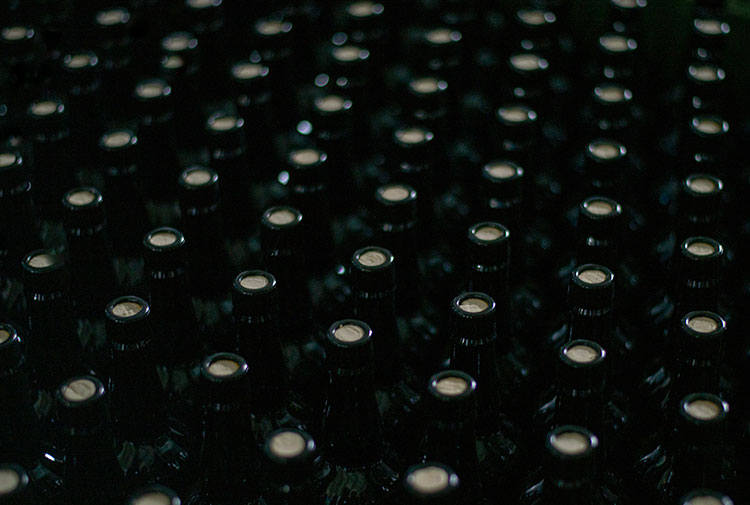
Amável Costa also has Ruby category wines in its portfolio. This category of wines has a red colour, of variable intensity, fruity aromas and are wines with a more present tannin and vigour in the tasting. They age in a very short oxidative environment (in cellars) and the rest of the ageing done in a reductive environment (in the bottle).
Ruby (standard) is a wine with characteristics of youth, with little time of ageing in cellar. Meant for quicker consumption, it does not benefit much from prolonged ageing in bottle. This is not the case of LBV and Vintage which also belong to this category.

Vintage Port and Late Bottled Vintage Port age for around two and four years respectively in cellars. The rest of the ageing takes place in the bottle and these are wines with an harvest year. They can be kept in the cellar and evolve positively for years, when well-conditioned. These are wines that need decanting when the bottle is opened, to separate the sediment that gathers.
Amável Costa also produces Pink Port. It is a completely different wine from those before mentioned. It ferments almost without maceration and with a very short ageing time and no oxidation. It keeps its rosy colour, not very intense, with aromas of fresh fruit, cherry, strawberry, and absent tannin. It is light and pleasant to drink very fresh. Great for summer consumption, it also goes very well into cocktails.
In the White Port category, Amável Costa once again presents a range of wines with diverse ageing, ranging from Standard Whites to Aged Whites. in the youngest whites, notes of of fresh flowers and fruit. With a prolonged oxidative environment in wooden casks we get aromas of dried fruit, tea and honey in older ones. The different levels of colour, aromatic and gustatory intensity and complexity are characteristics of ageing in wood that integrate well with lightness characteristics of a white wine. At Amável Costa you can find Dry White, White, White Reserva, White 10 Years and White 20 Years. The Dry White, as its name indicates, is not a sweet wine. This characteristic distinguishes it from the other Amável Costa whites, as well as having a less prolonged aging time in the cellar.